




 admin
admin 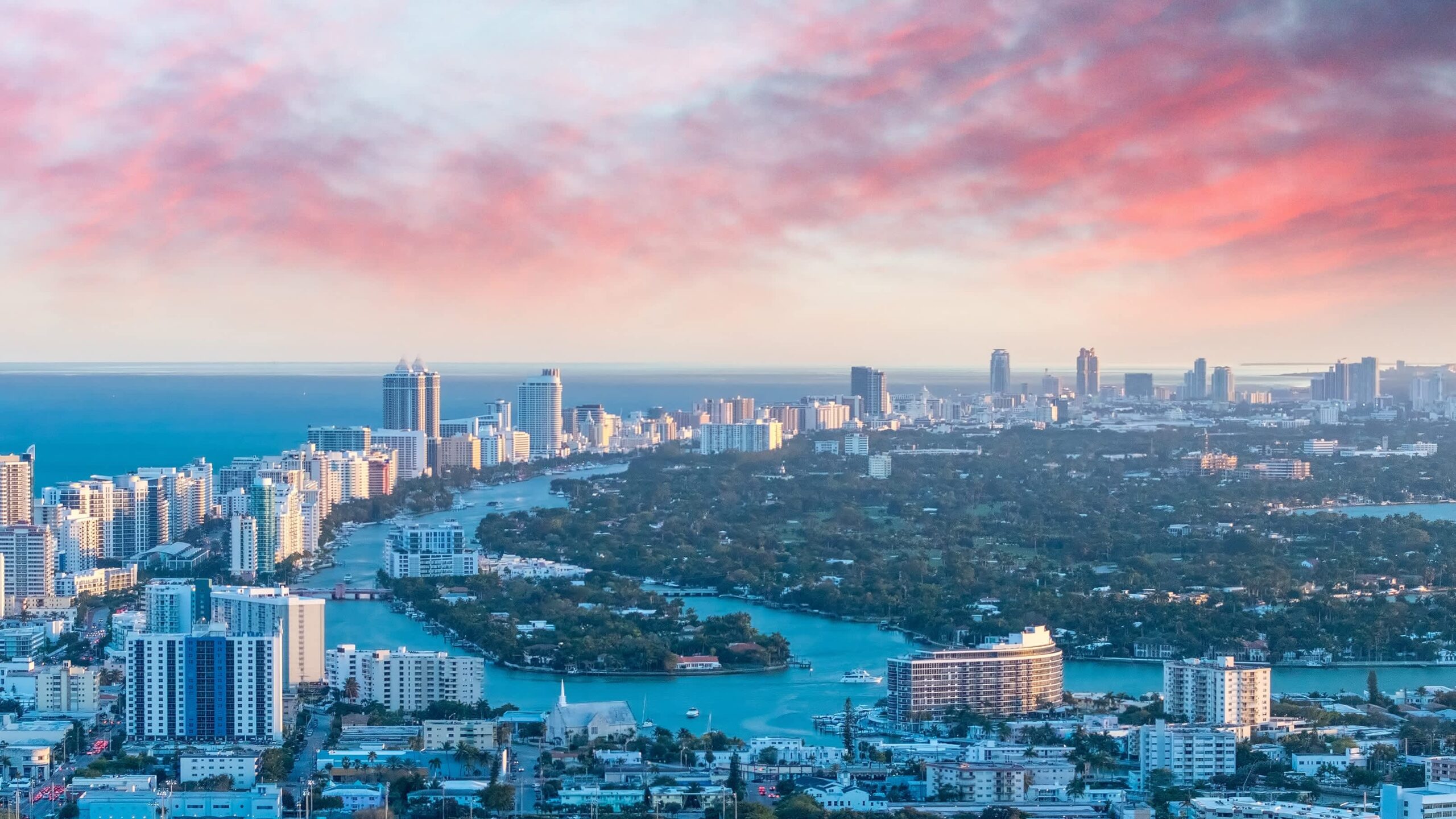
For decades, Miami was defined by its aesthetics—the Art Deco neon of South Beach, the turquoise waters of the Atlantic, and its role as the world’s playground. However, in the current global landscape, Miami has undergone a profound structural metamorphosis. It has moved beyond its reputation as a seasonal retreat to become a premier global financial hub and a formidable destination for institutional real estate investment.
The Great Migration of Wealth: “Wall Street South”
What was once a trend has solidified into a permanent shift. The migration of major financial institutions, hedge funds, and tech giants from traditional northern hubs to Florida has redrawn the economic map of the United States.
Miami is no longer just a gateway to Latin America; it is a tax-efficient, pro-business sanctuary that offers a quality of life unmatched by New York or San Francisco. This influx of “sophisticated capital” has created a surge in demand for ultra-prime commercial spaces and branded residential portfolios, transforming the city’s skyline into a forest of architectural masterpieces designed by Pritzker Prize-winning legends.
A Portfolio of Scarcity: From Coconut Grove to Star Island
In Miami, luxury is not a monolith; it is a collection of distinct, highly guarded enclaves. For the discerning investor, the city offers a “menu of scarcity”:
-
The Waterfront Trophy: Properties on Star Island, Indian Creek, and Palm Island represent the pinnacle of privacy. These are not merely homes; they are sovereign-like estates with limited supply and infinite demand.
-
The Urban Evolution: Brickell has emerged as the dense, vertical heart of the city’s financial district—a “Manhattan with palm trees”—where luxury penthouses serve as the primary residences for the world’s leading CEOs.
-
The Cultural Core: Design District and Wynwood have redefined the city’s aesthetic value, blending high-end retail, world-class art galleries, and boutique residential concepts that appeal to the creative elite.
Resilience and the “Safe Haven” Effect
Real estate in Miami has proven to be remarkably resilient across market cycles. The city’s unique position—offering a combination of no state income tax, a tropical climate, and a robust legal framework—makes it an ideal environment for capital preservation.
Investors are not just buying square footage; they are buying into an ecosystem. With the expansion of the Brightlinehigh-speed rail and the continuous development of world-class infrastructure, Miami’s connectivity mirrors that of a global city-state. It is a place where liquidity is high, and the lifestyle is a built-in dividend of the investment.
The Intersection of Leisure and Legacy
What sets Miami apart from other global hubs like London or Dubai is its soul. It is a city that celebrates the “Art of Living.” From the international stage of Art Basel to its Michelin-starred dining scene and elite yachting culture, Miami offers a multi-dimensional experience.
For the modern investor, Miami represents the ultimate hedge. It is a hedge against high-tax environments, a hedge against cold climates, and most importantly, a hedge against the mundane.
The Alta Perspective: Discretion in the Sunshine
In a market as vibrant and visible as Miami, the most valuable assets often never hit the public radar. The true opportunities—the off-plan penthouses in pre-launch phases or the private estates of the Biscayne Bay—require a network built on trust and discretion.
Miami is no longer a “future” prospect. It is the present reality of global wealth. It is where the world comes to work, to play, and most importantly, to stay.